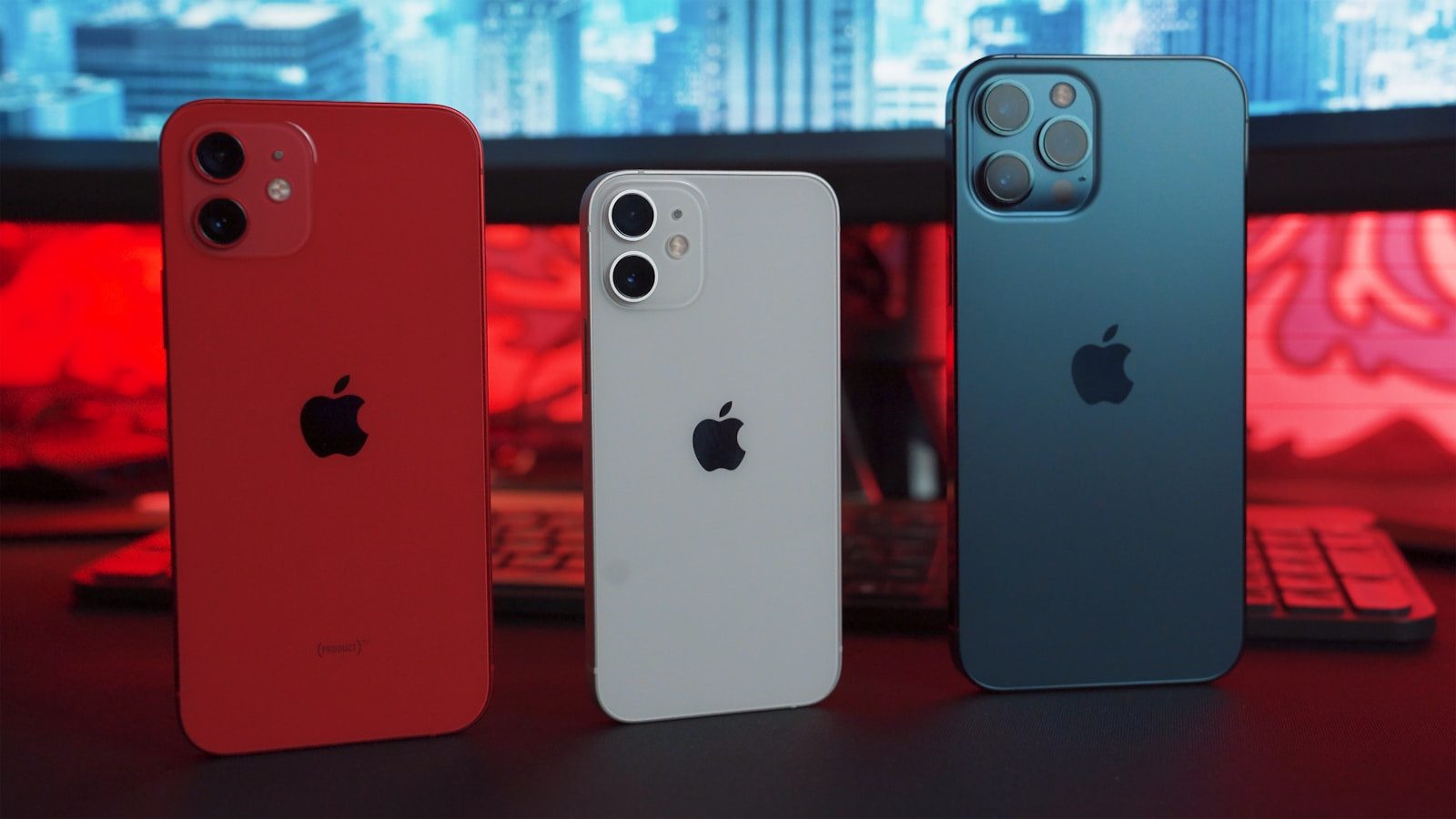
Shopping for a mobile phone in the UK? You’ll quickly notice that both refurbished and used phones promise great value compared to new releases. However, understanding the distinction between these two options can protect your wallet and your peace of mind. While refurbished devices are restored to high standards and often come with warranties, used phones are sold as-is – meaning you could end up with more than you bargained for.
What Is a Refurbished Phone?
A refurbished phone isn’t just a secondhand device. In the UK, these handsets start out as pre-owned – perhaps traded in, returned, or upgraded by the previous owner – but they don’t go straight to the shelves. Instead, professionals inspect, repair, and clean each phone inside and out. Key parts like batteries are tested and replaced where needed, the software is reset, and all data is securely wiped.
When you buy a refurbished phone, you’ll often see grading. Top grades like “Pristine” or “Excellent” mean the phone looks nearly new with almost no visible wear. Options like “Good” may show minor scratches, while “Fair” models are for those who don’t mind a few bumps as long as the phone still works well. Battery health is another critical factor – most reputable UK refurbishers guarantee batteries at 80-85% capacity or better, so you aren’t left charging constantly.
When browsing for Refurbished Phones, look for sellers who offer original or high-quality accessories, fresh packaging, and clear grading. If you choose manufacturer-refurbished phones – think Apple or Samsung certified – the replacement parts are guaranteed genuine and often come with longer warranties. Seller-refurbished devices can be just as good if the company is trustworthy, but always double-check their credentials.
What Counts as a Used or Second-Hand Phone?
Used phones, sometimes called second-hand, don’t go through the same careful process. They’re typically listed for sale on platforms like eBay, Gumtree, or Facebook Marketplace just as they are – dings, scratches, and potential internal issues included. You get the exact phone the previous owner has been using, without any promise of repairs or thorough testing.
Some sellers may provide basic descriptions like “works fine,” but this isn’t a guarantee. Faulty buttons, declining battery life, or glitches could be hiding inside. There’s often no promise that the phone’s data has been removed, so privacy risks remain. Unlike refurbished phones, there’s no standard for grading, so “like new” can mean anything from only minor marks to significant cosmetic repair.
Used phones are popular in private sales because they’re cheap up front. However, without protections or oversight, you’re taking a chance. In the UK, you have 30 days to return faulty items under consumer law, but after that, it’s hard to resolve disputes or claim repairs.
Comparing Refurbished and Used: What Sets Them Apart?
If you’re weighing your options, the difference between refurbished and used comes down to trust, value, and security. Here’s a simpler look at how they compare:
| Feature | Refurbished Phones | Used Phones |
|---|---|---|
| Condition | Professionally restored, clean, and graded | Sold as-is, may have unreported issues |
| Testing | Full diagnostics – screen, battery, ports, and more | Often none – rely on seller’s word |
| Warranty | Typically 6-24 months, sometimes even longer | Rarely offered – buyer takes the risk |
| Battery Health | Guaranteed minimum (usually 80% or above) | No guarantee – battery may need replacing soon |
| Accessories | Often included (charger, cable, case) | Not always included, varies by seller |
| Price Compared to New | Usually 40-60% less than new | Lowest initial price, but may incur repair costs |
| Level of Risk | Lower, with simple returns and support | Higher, with risk of breakdown or scams |
Buying refurbished gives you transparency: you’ll know the quality before committing. Choosing used might mean a smaller initial outlay, but the risk of expensive repairs is much higher.
Why Most Buyers in the UK Lean Toward Refurbished
Most people looking to save money and avoid headaches choose refurbished phones for the peace of mind they offer. Trusted UK refurbishers provide warranties – often from 6 up to 24 months – so you’re protected if something goes wrong (other than accidental damage, of course). The refurbishment process is designed to catch and solve issues before you get the phone, giving you reliability close to buying new.
Long-term affordability is another plus. Even if a refurbished phone is a bit more expensive than a used one, it tends to last longer and avoids the need for immediate repairs or upgrades. For example, you could save around 55% compared to a new phone, like snagging a recent iPhone for hundreds less without the stress of hidden faults.
There’s also the environmental aspect to consider. The UK produces over a million tonnes of electronic waste each year, and buying refurbished helps combat this problem. These phones get a second life, reducing carbon emissions and the need for raw materials.
Modern refurbished phone stock also keeps up with the latest models. Major sellers quickly add recent releases, so you can get a nearly-new flagship device with the latest software updates, often within just a few months of launch.
The Downsides of Choosing Used Phones
While used phones might seem like a smart way to save, the reality can be disappointing. Without a warranty, you’re responsible for any repairs, whether it’s a simple battery swap or a complicated motherboard fix. Private sellers might not clearly state any issues, and it’s not always easy to get your money back if problems arise after the initial 30 days.
Battery performance is typically the first thing to suffer in used devices. Many have less than 70% health remaining, reducing usable hours significantly. There can also be security risks if previous owners haven’t properly wiped their data. UK buyers are vulnerable to scams on marketplaces, with some reports showing higher return rates for used devices compared to refurbished.
Bulk buyers or businesses may attempt their own inspections, but without the specialist tools and procedures of a refurbishment centre, it’s easy to miss important details.
Tips for Buying Safely in the UK
If you’re considering a refurbished phone:
- Stick to certified UK retailers with transparent grading and battery information.
- Confirm warranty terms and ensure there’s a clear returns policy.
- Look for evidence of rigorous diagnostics and, if possible, manufacturer-backed refurbishment.
If considering a used phone:
- Meet the seller in person and check every function – calls, apps, charging, cameras – before handing over money.
- Use an IMEI checker to make sure the phone isn’t stolen or reported lost.
- Pay by card or another protected method, not cash.
- Allow for inspection costs if you want extra peace of mind.
It’s also wise to be skeptical of vague “refurbished” claims in some listings – if the refurbishment process isn’t clearly described, treat the deal as a used phone, not a guaranteed buy.
Examples of Deals and Savings in the UK
Take a look at these typical UK price comparisons:
- A recent iPhone could cost £600 new, £400 for a well-graded refurbished model, and £300 used – if you accept the risk.
- Flagship Samsungs might be £850 brand new, £500 refurbished with strong battery health, and £450 used, with no guarantees.
- Most buyers report that refurbished phones last for years, while used devices can fail or require repair much sooner.
Frequently Asked Questions: UK Refurbished vs Used Phones
Are refurbished devices trustworthy?
Yes. When bought from a reputable UK seller, these phones are rigorously tested and must meet high standards.
Do used phones save more money?
Sometimes, but they often need repairs or upgrades soon after purchase, which quickly eats up any initial savings.
What about the environment?
Refurbished phones are much greener, helping reduce the UK’s e-waste.
Are the latest models available refurbished?
Yes, with only a short wait – usually a few months after launch.
How do warranties differ?
Refurbished phones come with warranties from the seller, usually six months up to two years. Used phones rarely do.
When comparing your options, a little research and some caution go a long way. Choosing refurbished, especially from trusted sources, means you can enjoy a better phone for less money – without the gamble.