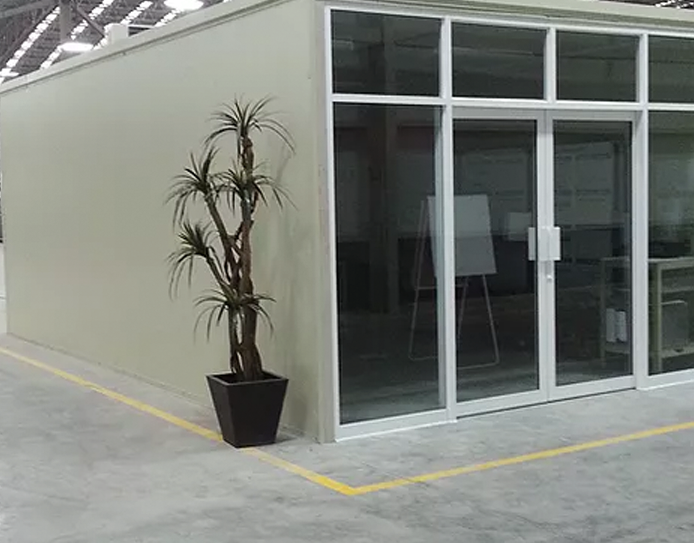
Mexico is experiencing a rapid growth in its industrial sector, and at the center of this boom are multipanel warehouses. These structures offer strong protection against both extreme heat and the unpredictability that comes with increased industrial activity. Thanks to their insulated nature and quick assembly times, prefabricated multipanel warehouses are becoming essential to meet the demands of growing logistics operations, especially as more businesses seek closer locations for their operations, a trend known as nearshoring. In this post, you’ll learn how multipanel warehouses work, why they’re gaining popularity, their advantages, and how businesses can use them to gain a competitive edge.
Understanding Multipanel Warehouses
Multipanel warehouses, called “bodegas de multypanel” in Spanish, use special panels made from two steel sheets with a layer of insulating polyurethane foam sandwiched between them. Starting out in the 1990s in Mexico as simple prefab structures, they have since developed into high-performing buildings used for various commercial and industrial purposes. Companies like Multiformas Metálicas started perfecting these systems decades ago. The great thing about this construction is the thermal insulation it offers, helping businesses significantly cut down on cooling and heating expenses, which is especially valuable in Mexico’s diverse and sometimes extreme climates.
Nearshoring Fuels Rising Popularity
In recent years, the market for pre-engineered buildings in Mexico reached roughly USD 256.5 million and is expected to double by 2033, due to numerous companies relocating their factories and warehouses closer to countries where their customers are. This shift, known as nearshoring, has created the need for about 2.5 million new square meters of storage space every year—an astonishing figure. Regions such as Querétaro and Nuevo León have become central hubs for these structures, with impressive facilities like DP World’s massive multi-client warehouses springing up to serve new demand. More than 2,300 commercial multipanel projects have been documented across the country, highlighting the rising importance of this building method.
Major Advantages Over Traditional Construction
Multipanel warehouses bring several game-changing benefits compared to conventional concrete buildings:
- Faster Construction: Erecting a multipanel warehouse takes half—or even a third—of the time required for a traditional build. Weeks instead of months.
- Lower Energy Costs: With their built-in insulation, these warehouses can reduce air-conditioning and heating costs by up to 40%. This is a huge advantage in both cool and hot weather.
- Durable and Adaptable: The materials used resist corrosion and can withstand impacts, while modular components allow businesses to expand easily if needed.
- Easier Expansion and Customization: Since these warehouses are modular, it’s simple to add on extra sections, change layouts or even relocate the structure, unlike fixed concrete facilities.
Here’s a good comparison:
| Feature | Multipanel Warehouses | Traditional Buildings |
|---|---|---|
| Build Time | 2-4 weeks | 3-6 months |
| Total Costs | 20-30% lower | Higher |
| Insulation | Built-in | Additional, expensive |
| Future Changes | Movable/Expandable | Not moveable |
How Businesses Are Using Them in Mexico
The main use of multipanel warehouses is to safeguard machinery, inventory, and raw materials from heat, moisture, and dust. But their use cases are expanding, like:
- Refrigerated Facilities: Because of their thermal properties, they are perfect for storing foods and medicines that need temperature control.
- Commercial Applications: Prefabricated panels make attractive, highly functional facades for shops and business parks.
- Logistics and E-commerce: Speed in handling goods is critical. Multipanel warehouses support cross-docking and help e-commerce businesses reduce delivery times.
- Agriculture and Construction: Portable storage houses for tools, grains, or equipment on farms and building sites.
Examples include supermarket chains with vast distribution centers and large companies with warehouses directly linked to railroad lines.
Debunking Common Myths
Some people still believe these prefab structures can’t handle large loads or have a short lifespan. On the contrary, multipanel warehouses can provide wide open spaces with heights of over 20 meters, and professionally-made panels last more than 30 years—not to mention their performance in earthquake-prone zones. Another myth is that prefabricated means “expensive upfront”—but thanks to reduced energy and maintenance costs, companies observe these buildings can pay for themselves much faster than traditional constructions.
Main Challenges and What’s Ahead
Despite their advantages, multipanel warehouses present challenges for some businesses. Initial investments are sometimes a bit high for small and medium companies. Finding trained construction crews outside major regions like Monterrey can also be tough, which sometimes leads to delays, especially when there’s high demand. Additional hurdles, like making sure all panels meet local safety and fire regulations, vary from one state to another in Mexico.
However, new trends point to expanding opportunities. Nearshoring is set to continue at strong levels, with the food and electronics industries driving the next wave of warehouse demand. Also, more attention is being paid to environmental sustainability, making multipanel warehouses—a low-waste construction option—even more attractive for eco-friendly business initiatives.
Practical Tips for Your Own Multipanel Warehouse
If you’re planning to set up a warehouse using multipanel technology, here are some tips:
- Know what you need: Measure the warehouse area and carefully estimate how much insulation your operations will require.
- Choose suppliers who can deliver quickly and provide certified installation services, especially for large-scale projects.
- Design flexibility into your building plans to allow for future expansion or changes.
- Leave room in your budget for essential extras such as special molds and fittings, automated doors, and safety equipment.
- Always use certified crews and trusted panel brands to ensure structural safety and energy efficiency.
- Plan ahead for lighting, air flow, and worker comfort, as these features help boost productivity inside the warehouse.
Companies like Multiformas Metálicas, based in Monterrey, have experience shipping and installing multipanel warehouses all over the country with minimal lead times.
Conclusion
Multipanel warehouses are more than just storage units—they represent Mexico’s modern answer to the changing needs of global commerce and supply chains. Their combination of quick installation, energy savings, and flexibility is helping businesses large and small control costs and operate efficiently in today’s fast-moving markets. If you’re considering strengthening your operations or joining the nearshoring trend, exploring multipanel solutions could give your business a real advantage for the future.