Dubai and Geneva are two giants in the world of luxury watches, but choosing between them isn’t just about labels or prestige – it’s about what you value most in your shopping experience. Do you want endless variety and quick service, or are you searching for heritage, history, and horological depth? Let’s dive into what sets these two watch capitals apart, so you can decide where your next timepiece should come from.
Exploring Two Watch Capitals
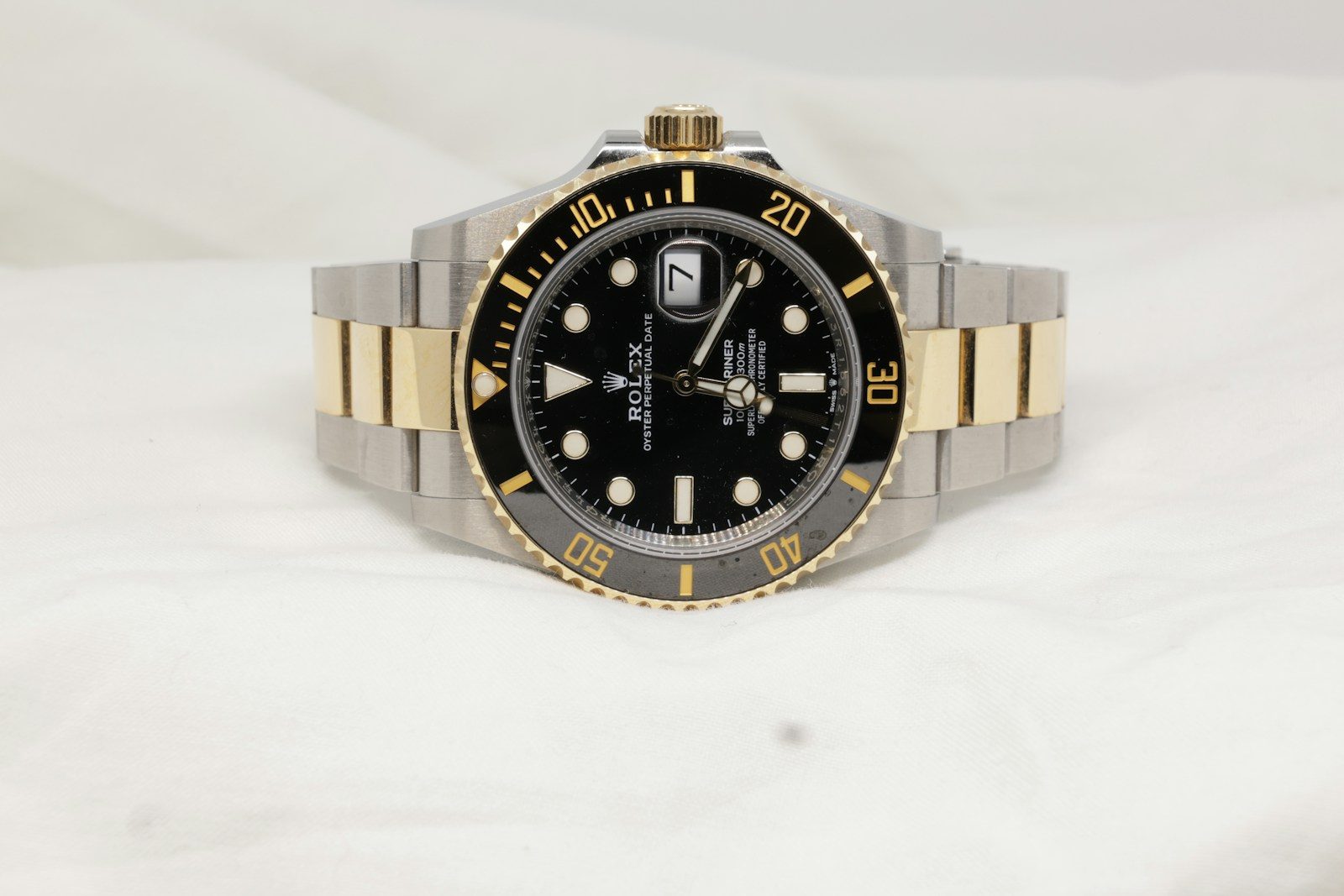
When it comes to luxury shopping, Dubai is a city that stands out for its sheer scale and impressive convenience. It’s a place where nearly all top-tier watch brands have a strong presence – think Rolex, Patek Philippe, Audemars Piguet, and many more. These brands are not only found across luxurious flagship boutiques but are also sprinkled throughout huge retail centers like Dubai Mall, airport lounges, and high-end neighborhoods.
Now, consider watch stores in dubai: The options are almost overwhelming, whether you’re hunting for the latest release or a sought-after classic. Thanks to the city’s clear focus on being a world leader in luxury shopping, shoppers get immediate access to both traditional and modern horological masterpieces under one roof.
Geneva, by contrast, is less about scale and more about substance. In the heart of the city, especially along the famous Rue du Rhône, you’ll encounter flagship boutiques of legendary Swiss brands and serious watch retailers in an elegant, walkable district. But Geneva offers something much harder to replicate – a sense of living watchmaking heritage. This is the city of the Patek Philippe Museum and independent ateliers. For a collector, walking these streets feels less like shopping and more like stepping into a story that stretches back centuries.
What Makes Dubai Special for Buyers?
Dubai’s biggest draw is its unparalleled variety. If you want a shopping spree that lets you visit several boutiques back-to-back, compare limited editions, and maybe even stumble upon rare pieces that are hard to find elsewhere, Dubai’s dense marketplace works in your favor. Sometimes, you’ll even find multiple authorized dealers of the same brand in just one mall, meaning you can compare prices and availability within minutes.
Many buyers are attracted by Dubai’s reputation for good pricing, thanks to lower taxes and the opportunity for tourists to claim VAT refunds. While prices aren’t universally cheaper for every model, the overall environment encourages competition, which can be a game changer when compared to the higher price tags often found across Europe.
There’s another practical benefit: stock availability. While popular models may have frustratingly long waiting lists in many European cities, Dubai’s market is more dynamic. Boutique staff are used to serving international shoppers who expect quick decisions, so you’re more likely to walk out with your dream watch on the same day.
Finally, Dubai is all about streamlined luxury. The malls and boutiques are open long hours, with services tailored for high-end clientele. Whether you’re a traveler short on time or just want a hassle-free experience, Dubai’s retail setup is designed to be as accessible and efficient as possible.
Where Geneva Outshines Dubai
Geneva wins in the realm of authenticity and tradition. This isn’t simply a shopping destination – it’s where the world’s finest watches are born. The atmosphere in Geneva boutiques is notably different: elegant, unhurried, and often steeped in family and brand history. Names like Vacheron Constantin, Audemars Piguet, and specialized independent makers give Geneva an authority that’s impossible to duplicate in newer luxury hotspots.
For those who care about the “soul” of watchmaking – meeting artisans, seeing original archives, and discussing craftsmanship – Geneva is the ultimate pilgrimage. Visiting the Patek Philippe Museum or interacting with leading independent ateliers connects you directly to the roots of Swiss horology, making each purchase more than just a transaction.
The pace in Geneva is relaxed, and shops tend to focus on quality interactions over volume sales. Shops typically close on Sundays, and the tone is set for serious buyers with time to consider their choices in a refined, private setting. For anyone seeking depth and personalized expertise, Geneva offers an atmosphere that feels purpose-built for collectors.
Which City Has Better Brand Access?
Dubai offers excellent access to a massive range of brands. From exclusive boutique shops to multi-brand stores in sprawling malls, it’s hard to imagine a better setup for someone who wants to see as much as possible in a single afternoon. The sheer number of options gives Dubai the edge in variety and the ability to handle big crowds during peak shopping seasons.
Geneva, by comparison, focuses on a smaller number of flagship boutiques – often the very places where the most prestigious Swiss brands were born. For some, the exclusivity and symbolism of buying a timepiece directly where it was crafted add meaning that can’t be matched elsewhere. While there might be less variety under one roof, the brands you do find tend to carry more historical weight.
New, Pre-Owned, and Vintage Options
Dubai’s luxury market isn’t just about brand-new watches; it has a growing sector for pre-owned pieces too. Buyers with an eye for rare models or discontinued editions can often find excellent selections, and the city’s global clientele brings a fast-moving energy to the secondary market.
Geneva continues to be the world’s touchstone for vintage and collector timepieces. Whether you’re looking for rare historical pieces, attending an auction, or visiting a boutique that focuses on older references, Geneva’s connection to Swiss craftsmanship is palpable. This is the place for deep collectors or anyone hoping to own a slice of watchmaking’s rich past.
Differences in Experience and Atmosphere
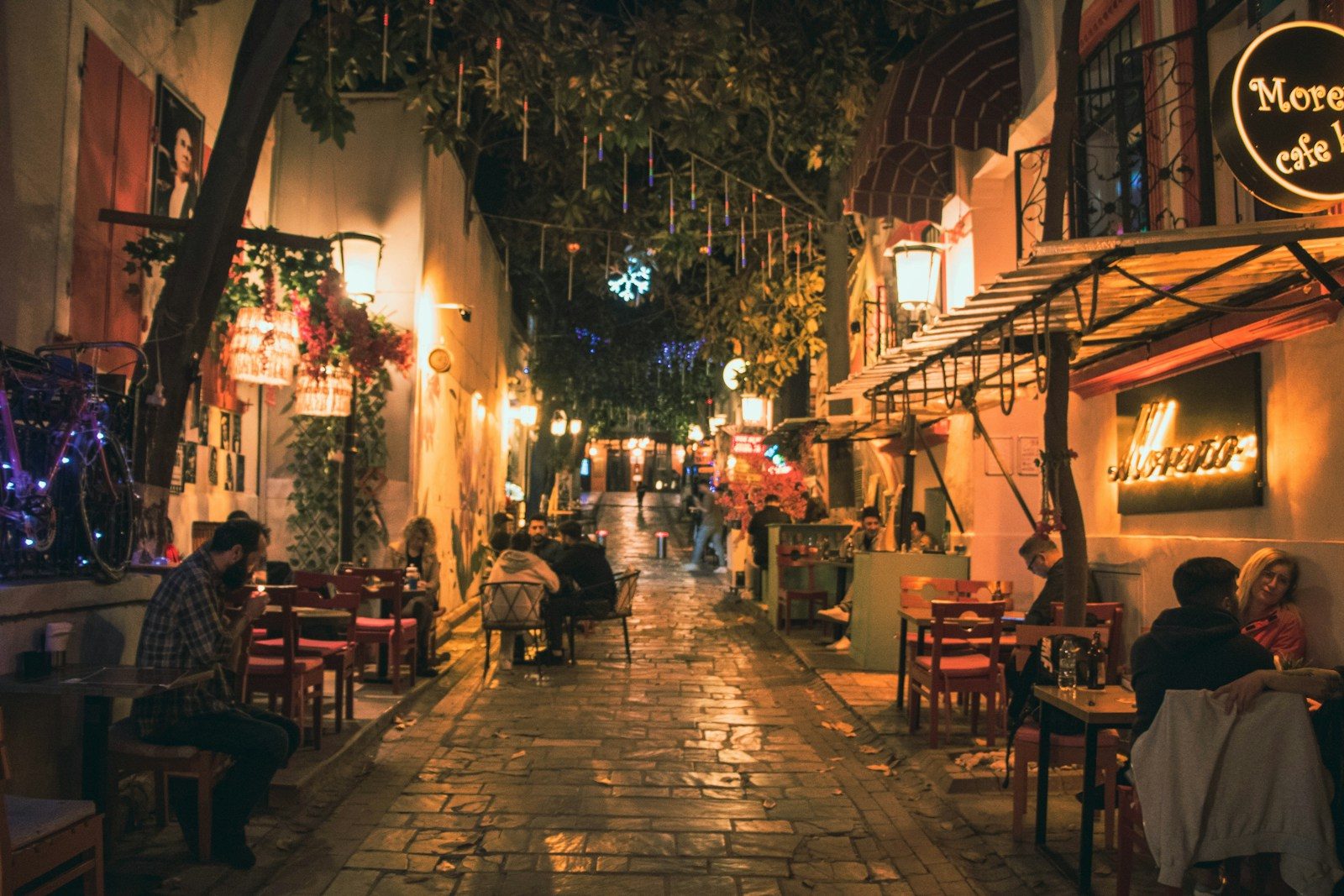
Shopping for a watch in Dubai is an event: think grand boutiques, friendly staff trained in luxury service, and the chance to enjoy world-class malls and spectacular displays. The approach is polished and geared towards giving shoppers a wow factor, especially for newcomers and international travelers.
If Dubai is all high-energy glitz, Geneva is calm, refined, and personal. Boutiques here are quieter, and staff often include knowledgeable watch experts or even brand family members offering insights into movement, design, and provenance. Here, you get the sense that every transaction counts towards keeping the tradition alive, and conversations might last as long as the intricate histories behind the pieces on offer.
Budgeting: Where Does Your Money Go Further?
For many practical buyers, Dubai’s appeal lies in competitive prices, especially after factoring in low taxes and frequent tourist incentives. But “getting a deal” is not always guaranteed – luxury brands protect their pricing carefully wherever they are sold.
Geneva might not always deliver the lowest price, but what you do get is intangible value: heritage, trust, and an experience genuinely connected to authentic Swiss watchmaking. For some, knowing their watch came from such a storied destination is priceless.
The Dubai Watch Store Landscape
If your research takes you specifically to Dubai, understanding the network of authorized dealers, luxury malls, airport boutiques, and specialist sellers is essential. Visiting resources dedicated to watch stores in the city is a good way to start, helping you map out where to find the best options and the latest releases, and how to avoid any potential pitfalls.
Which City Should You Choose?
Ultimately, Dubai is a paradise for anyone seeking range, fast access, and a world-class shopping environment – all at the crossroads of international luxury. It’s practical, exciting, and ideal for buyers who want instant gratification.
But if what you want is a deeper connection to the art and history of timekeeping, Geneva stands above the rest. Here, every experience is shaped by legacy, and every boutique is a gateway to watchmaking’s most meaningful traditions.
In the end, choosing between Dubai and Geneva comes down to what matters more to you: unmatched convenience and selection, or the rare pleasure of shopping in the home of horological culture. Both cities promise a memorable journey – just in very different ways.