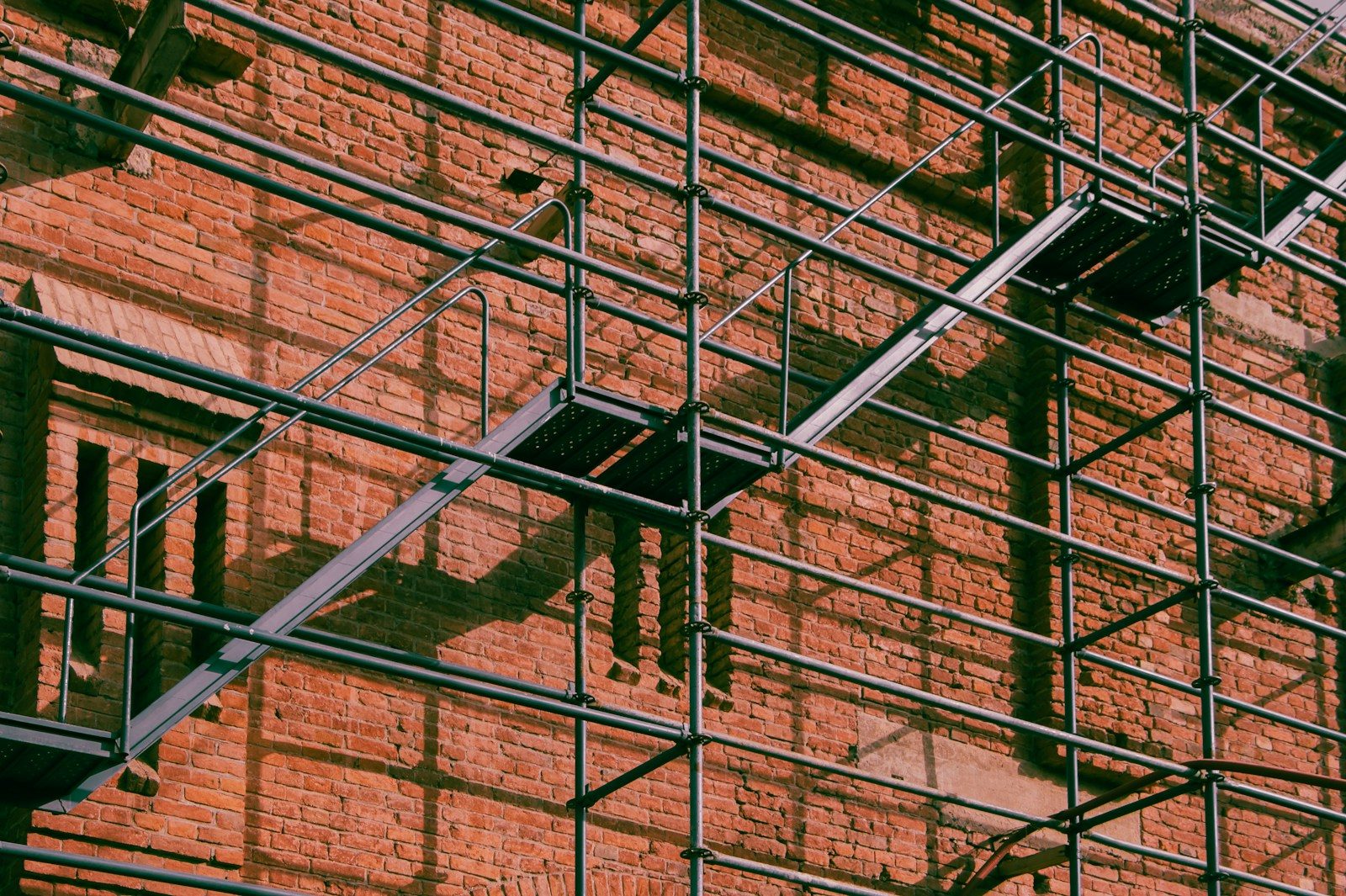
SUVA fall protection is a major topic on construction sites across Switzerland. This term refers to the safety systems required by SUVA, the Swiss national accident insurance agency, which sets rules to prevent falls and serious workplace injuries on building projects. But who should actually ensure these protections are in place – the design team (architects and engineers) at the planning stage, or the builders (contractors) during construction? The answer is a mix of legal regulations, practical risks, and best practices, but one thing is clear: integrating safety measures early on is always better for safety, compliance, and cost.
This is a real concern, not just a technical debate. Falling from heights is still one of the top reasons construction workers are killed or hurt in the workplace, both in Switzerland and right across Europe. With new buildings getting taller and projects happening in tricky settings like the Alps, clear responsibility is essential: it saves lives, avoids disasters, keeps projects on time, and prevents expensive lawsuits. Let’s look at what Swiss rules and actual building experience tell us about the right approach.
What SUVA Fall Protection Means in Switzerland
SUVA is known for having some of the strictest fall protection rules in Europe. They provide detailed technical guidelines for things like guardrails, anchor points for harnesses, and collective protection systems that shield multiple workers at once. If you want to learn more about SUVA-konforme Absturzsicherung auf Baustellen, including the latest certified solutions for Swiss construction sites, official guidance can be found at geruestbauschweiz.ch.
Unlike some countries where the law only singles out contractors, Swiss regulations generally make everyone on a project – owners, designers, and builders – partly responsible if something goes wrong. SUVA’s approach is that prevention is best: they expect safety systems to be planned upfront and built into the very walls, roofs, and structures long before anyone climbs a ladder or scaffolding. Rather than checking every small detail themselves, Swiss authorities do spot inspections and expect everyone on the job to follow the best engineering practices and self-police.
Some of the major SUVA requirements are pretty clear:
- Permanent safety systems for things like roof edges, especially on commercial sites where maintenance will be frequent.
- Temporary protections like nets and barriers that must be installed during certain stages of the work.
- Regular inspections and official certifications for the safety equipment, whether it’s built-in or temporary.
The main message: safety gear and systems should be part of the design from the very beginning. If you don’t plan them early, retrofitting them later can cost up to half as much again as just doing it right the first time.
Why Designers Should Own Fall Protection Planning
There’s a strong case that architects and engineers – the designers – should lead on SUVA fall protection. After all, they map out the entire skeleton of a building during the planning stage. That means they decide where safety anchor points or special railings can actually fit into the structure from the start, without creating ugly or awkward features.
Designers also carry a lot of liability in Swiss projects. If the architect or structural engineer chooses an unsuitable safety anchor, or skips specifying proper protection in the blueprints, they can be held directly responsible if there’s an accident. That’s why the most respected Swiss industry codes confirm that designers must know SUVA’s rules inside out and apply them early, setting out clear safety specifications in their plans.
There are big benefits when this happens:
- Costs are kept in check. When safety systems are planned and detailed alongside the main construction, there’s rarely a need for expensive rework or awkward add-ons.
- Safety equipment feels like a natural part of the building. This is especially important in Switzerland, where structures have long lifespans and require ongoing maintenance.
- Legal compliance and peace of mind. Designers who include everything at the planning stage meet both Swiss and relevant European (like EN 795) standards, heading off problems before they start.
For example, in Zurich, when an architect included lifelines and anchor points in their very first drawings, the construction ran smoothly. The builders could install what was needed without delays, and building managers could safely reach the roof year after year, avoiding any possible SUVA issues. By contrast, if the builder is asked to fix safety late in the process, the result is often complaints, extra costs, and sometimes even legal mediation.
The Builder’s Role: Why Execution on Site Also Matters
Builders, however, argue that since they are the ones actually putting up the structures, they hold the real responsibility for keeping people safe from falls. Construction sites are complicated and constantly changing. Weather, unexpected conditions, or last-minute design changes can all make perfect plans hard to follow. The people actually on site often need to tweak the details or upgrade protections beyond what was originally designed.
Swiss inspectors tend to agree that contractors need to match high standards in execution. While plans must meet the codes on paper, it’s up to builders and site managers to ensure the installed safety systems truly work and pass official inspections.
Builders bring key advantages to the table:
- Real-world problem solving. Sometimes a design might miss a hidden risk due to wind, snow, or awkward building shapes – builders have the expertise to spot these and quickly adapt.
- They take care of the installation, documentation, and certification process, ensuring that every barrier or anchor is correct and ready to use.
- Immediate risk management. If a potential hazard arises on site, contractors are the first ones who can take direct action and prevent accidents.
A case from Geneva shows how important this role is: a contractor noticed that the designed guardrail system had gaps too wide to meet SUVA rules. Acting fast, the builder fixed the issues, got new certifications, and helped prevent a possible fall. The designer later signed off on these changes, but the rapid, practical safety upgrade came from the workers on site.
Swiss Law: Shared Responsibilities, Clear Expectations
Swiss building law spreads the responsibility for accident prevention between designers, builders, and building owners. However, SUVA puts a little more pressure on designers when it comes to planning – after all, a safe workplace starts on paper.
Some practical rules:
- For official certification, the designer must specify the correct type of system (such as EN 795 anchors), while builders must install and document them correctly.
- Industry norms and SUVA guidance set high expectations, but many inspections rely on written records rather than full project reviews.
- Both sides manage their own risks – designers by documenting specifications and compliance, builders by proving safe workmanship.
Sometimes there are conflicts on big projects, especially when fast-track or design-build arrangements mean builders and designers don’t communicate well. Arguments about who should fix gaps in safety planning or installation can hold up projects and increase risks. That’s why Swiss best practice is to divide the tasks clearly: designers specify, builders implement, and everyone keeps written proof.
Table: Comparing Designer and Builder Responsibility
| Factor | Designer-Led Approach | Builder-Led Approach |
|---|---|---|
| Integration | Better at early design | Good for last-minute fixes |
| Flexibility | Less responsive on site | Fast to adapt, solve on site |
| SUVA Compliance | Strong planning | Strong execution |
| Cost Risks | Lower upfront | Higher if retrofitting needed |
| Liability | Fewer design omissions | Fewer installation mistakes |
Best Results: Collaboration is Key
The smartest Swiss construction companies combine the strengths of both approaches. Here’s how it works best:
- Designers plan and specify safety systems during the very first phase using SUVA and EN 795 as their guides.
- Builders develop shop drawings and check every detail before ordering or installing safety gear.
- Both sides inspect and sign off together, typically with an independent certification from an accredited body.
- After the build, safety systems are checked yearly so that everything continues to meet SUVA standards.
Cooperation during the planning and building phases – often with Building Information Modeling (BIM) – helps everyone spot possible fall risks before they become real dangers. Joint training and shared responsibility reduces arguments, accidents, and legal headaches, with projects seeing far fewer accidents where everyone gets involved from day one.
Conclusion: Why Designers Must Own SUVA Fall Protection Planning
In the end, it makes sense for designers to lead SUVA fall protection from the beginning of a project in Switzerland. Their big-picture view and technical expertise make it easier to build in effective safety, save money, and comply with regulations. Builders play a vital role in execution, making sure everything works on site and getting everything officially certified, but they shouldn’t have to fix missed opportunities from poor early planning.
Whether you’re involved with renovating a historic building or constructing a modern high-rise, early and detailed planning for fall protection is essential. For Swiss sites that need certified scaffolding or advanced protective systems, explore SUVA-konforme Absturzsicherung auf Baustellen for reliable, up-to-date solutions. Safe projects aren’t the result of luck – they’re planned for, with shared effort and clear roles.