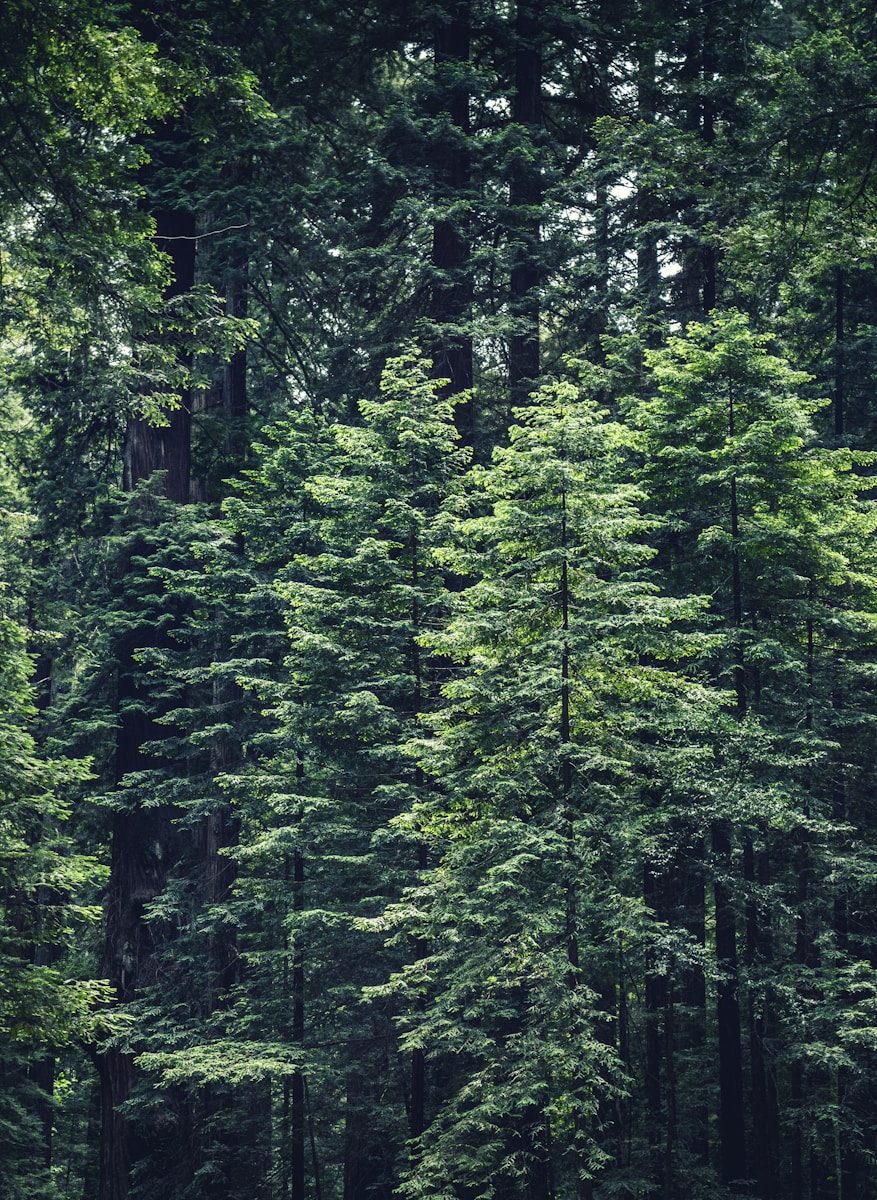
For those who appreciate the charm and value trees bring to Spanish Fork, Utah, deciding to remove one is not easy. Trees offer much-needed shade, beauty, and provide vital ecosystem services, but sometimes, taking one down is the wisest decision to keep your property and loved ones safe. If you find yourself in this position, understanding how to ethically approach tree removal in Spanish Fork can help you stay eco-conscious without sacrificing safety or community standards. This guide shares simple steps for responsible removal, from understanding local guidelines to finding the right help – if you need expert assistance, check out tree removal in Spanish Fork for a reliable option.
Nestled between the Wasatch Front and the Spanish Fork River, the city is home to familiar trees like bigtooth maple, Gambel oak, and quaking aspen. Typically reaching around 18 feet tall and living almost 50 years, these trees thrive in the soil and climate here but can still fall prey to wind, drought, and disease. Taking down a tree the right way starts with a thoughtful inspection and working with people who put sustainability first, not simply grabbing a chainsaw and moving forward. This mindful approach keeps the area’s natural beauty intact.
Why Choose Responsible Tree Removal?
People often only want to remove a tree after trying other ways to solve the problem, such as pruning or reinforcing branches. But sometimes, it really is the safest and best thing to do. Some key reasons in Spanish Fork include:
- Dangerous trees: If storms have broken off large branches or caused the trunk to lean, it could be a hazard during windstorms.
- Signs of disease: Trees that are infected by fungus or pests can deteriorate quickly and might spread illness to others nearby.
- Crowding: Roots lifting up sidewalks, causing foundation issues, or crowding out other plants may mean it’s time for a change.
- Emergencies: After a storm, fallen trees need quick removal, which can cost around $888 on average in Spanish Fork.
Ethical removal specialists, especially those with ISA certification, will carefully examine the tree first. They consider the overall health, root stability, and soil condition so that you don’t lose a tree unnecessarily.
Step 1: Check the Tree’s Condition with Care
Don’t rely on a quick glance; a proper tree check means looking for signs that reveal a genuine issue:
| Problem | What It Means | What You Can Do |
|---|---|---|
| Dead branches, peeling bark | Disease or health decline | Trim gently, call a local certified arborist |
| Leaning trunk or large cracks | Possible fall risk | Support with cables or bracing first, if possible |
| Roots exposed, eroding soil | Stability worries | Add mulch or nutrients, avoid heavy traffic around roots |
| Insects or borers | Could infect other trees | Try natural pest control first if possible |
Having someone local and experienced inspect your tree is wise; they’ll know what concerns are unique to Spanish Fork’s particular soils and weather. Look for experts who follow recognized standards, protecting trees unless removal is absolutely needed.
Step 2: Respect Local Laws and Permit Needs
Even if you own your property, you can’t necessarily take down a tree without checking the rules. Spanish Fork sometimes requires permits, especially with older or protected trees. Many experienced arborists handle permit questions for you, making sure the job is done legally and with respect for local heritage. By following these steps, you prevent fines and ensure local forests remain part of the community for years.
Step 3: Pick the Right Tree Removal Team
The person or company you hire matters a lot when it comes to ethics and expertise. Shop for teams who have:
- ISA certification (this proves they’re knowledgeable and professional)
- Insurance, including liability coverage
- Experience with Spanish Fork’s unique species – certain types, like aspens, have special removal considerations
- Eco-friendly approaches, such as turning leftover branches into mulch for gardens or salvaging usable wood
- Honest, upfront quotes and free estimates, with no surprises later on
Check for reviews or ask neighbors who they trust. Remember: trying to handle large tree jobs yourself is risky and can cause long-term damage.
Step 4: How Ethical Tree Removal Works
Professional tree services follow these steps to keep things safe, controlled, and green:
- First, they mark out utilities and protect landscaping, so nothing else is harmed.
- Specialized climbing, rigging, and sometimes cranes are used, especially in neighborhoods and near the river, to safely bring down each piece.
- Trees are removed section by section, reducing damage to surrounding plants. Stump grinding is usually done to clear the ground for future planting.
- All debris is cleaned up; wood might be left for firewood, mulch, or even crafts – whatever the homeowner prefers.
- Tree removal teams often suggest replanting native species, adding back some life and keeping the yard vibrant.
Most jobs take four to eight hours, though emergencies can speed up the process. No matter what, ethical removers stick to safe, sustainable practices.
Budgeting for Removal
Costs depend on the size and accessibility of the tree, but most removal jobs in Spanish Fork range from $500 to $2,000. Large or awkwardly located trees cost more, especially if cranes or extra help are needed. Here’s a quick breakdown:
- Basic tree removal: $400–$1,200
- Stump grinding: an additional $200–$500
- Emergency removal: roughly $888
To save money, compare at least three quotes, combine removal with trimming (if needed), and ask about seasonal deals. Discounts are often available for seniors or large jobs.
Turning Removal into a Positive Step
After the tree is gone, it’s possible to keep honoring what it contributed. Consider these actions:
- Use leftover wood for firewood, or let it naturally decay as wildlife habitat
- Plant a drought-tolerant native tree as a replacement (local arborists can advise on the best species)
- Allow mulch made from chipped branches to nourish your soil and new plants
- Schedule yearly pruning and care for other trees to prevent future losses
These steps close the circle, making removal feel more like rejuvenation.
Preventive Care: Encouraging Healthy Trees
Once you’ve experienced the effort of removing a tree, it makes sense to focus on prevention. Here’s how you can help your trees avoid future problems:
- Prune away dead wood every year
- Give deep, regular watering during dry months
- Prevent parking or driving on root zones so roots stay healthy
- Look out for common pests in your area and treat quickly
Some tree care companies in Spanish Fork offer ongoing maintenance plans for peace of mind.
Spanish Fork’s lively streets and green spaces deserve careful, thoughtful tree care. By choosing ethical approaches to tree removal, you help keep the natural character of the city alive for generations. Reach out to trusted local experts when you’re unsure – both your property and the environment will thank you.