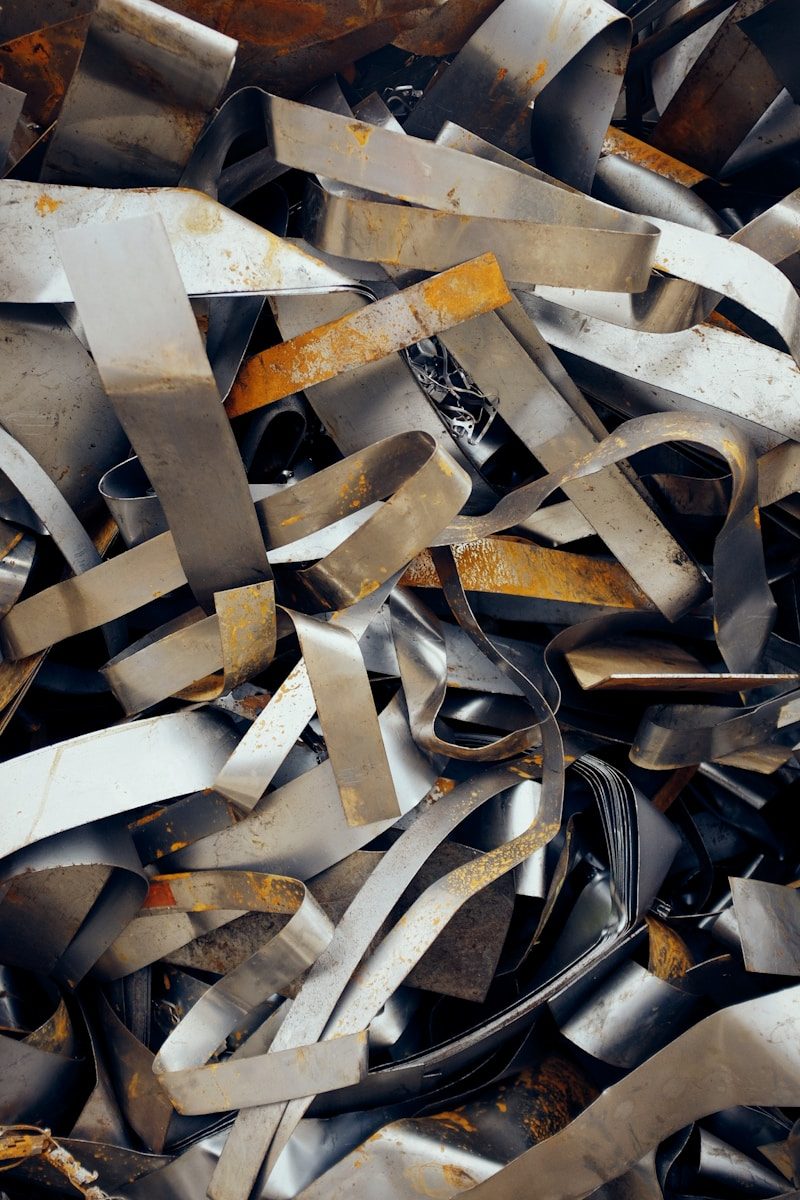
Picture an energetic city where discarded car pieces, twisted steel bars, and coils of copper wire are not just trash. In Dammam – the bustling port city by the Arabian Gulf – buying scrap metal has become a key ingredient in building a sustainable economy. The old vision of scrap piles gathering dust is fading fast. Today, recycled metals fuel industries, save massive amounts of energy, and help the local economy thrive. If you want to be part of this change, you can turn to leading services for شراء سكراب بالدمام to transform unused metal into valuable resources with real impact.
In Dammam, this shift is more than just talk – it’s already happening. Steel, aluminum, and copper can all be recycled again and again without degrading in quality. This creates a self-sustaining system where valuable resources are circulated instead of tossed into landfills. Thanks to Dammam’s booming construction and manufacturing sectors, scrap metal recycling is not just an eco-friendly option. It makes smart economic sense and directly supports Saudi Arabia’s Vision 2030 ambition for a greener, diverse future.
How the Circular Economy Works – and Why Scrap Metal Shines
The circular economy is all about closing the loop. Instead of grabbing raw materials, making products, then throwing things away, this model is driven by repair, reuse, and recycling. Metals are the perfect fit for this approach: steel, aluminum, and stainless steel can go through this cycle countless times without losing their strength or utility. Recycling aluminum, for example, uses up to 95% less energy compared to producing it from scratch, which is a huge win both financially and for the planet.
Imagine you scrap an old, rusty trailer in Dammam. That metal may turn into rebar for a brand-new building. Several decades later, that same rebar can be melted down and reused again, all with no drop in performance. Local services collect and process scrap, feeding factories with high-quality material for construction, cars, and more. Dammam, as the industrial center of Eastern Saudi Arabia, naturally produces tons of scrap metal from oil, shipping, and infrastructure projects. By keeping recycling local, buyers cut down on transport emissions and help the city switch to more efficient, sustainable resource use.
Environmental Gains: Turning Scrap Metal into a Greener Dammam
The green benefits from Dammam’s scrap metal boom are substantial. Mining virgin metal takes a heavy toll – landscapes are scarred, water and air get polluted, and natural habitats disappear. Recycling sidesteps all of these problems by diverting usable material from the waste stream. For example, steel made from recycled scraps requires 60–74% less energy than processing it from new ore. And aluminum uses only about 5% of the energy needed for primary production.
These energy savings are especially valuable in a hot region like Dammam, where power demands are always high. By recycling metals, less waste ends up in landfills, reducing both pollution and landfill expansion. The construction industry alone produces millions of tons of metal waste each year worldwide; recycling in Dammam helps tame these numbers dramatically, cutting energy use and greenhouse emissions to a fraction of what they’d otherwise be.
When local businesses partner with experienced scrap buyers who follow eco-friendly standards, the city benefits from cleaner air and a healthier environment.
The Economic Boost: Creating Jobs and Saving Money in Dammam
Scrap metal isn’t junk – it’s big business. Instead of paying to throw materials away, companies can sell their scrap metal and bring in additional revenue. Premium metals like copper and aluminum hold their value and support industries both locally and abroad. For exporters in Dammam, recycled metals are sent to factories across the world, strengthening Saudi Arabia’s trade position and helping diversify the local economy.
The jobs created by recycling are a critical bonus. Workers are needed for sorting, collecting, transporting, and processing scrap. Technology and innovation also play a role, drawing in specialists and supporting jobs even beyond the recycling industry itself. Local businesses can shield themselves against fluctuations in the oil market by building a recycling-based income stream.
For businesses, there’s also a regulatory push. More and more, Saudi law encourages companies to cut waste and recycle where possible. Certified scrap buyers help firms meet these requirements, streamlining the process and demonstrating their commitment to sustainability. For example, many steel factories now run mainly on scrap – using less energy, lessening pollution, and improving profit margins.
| Benefit | Mining Metal | Recycling Scrap in Dammam |
|---|---|---|
| Energy Use | Very High | Up to 95% lower |
| Carbon Emissions | Heavy | 58% less |
| Cost | Expensive | Can earn from sales |
| Jobs | Mainly mining jobs | Many local roles created |
| Waste | Lots of landfill | Waste becomes resource |
This comparison shows why Dammam’s scrap metal sector is more than just efficient – it’s a growing economic powerhouse.
Inside the Process: From Scrap Collection to Manufacturing
Let’s see how the process unfolds in Dammam. It all starts with collecting scrap – from homes, construction sites, factories, and more. Everything from old appliances to unused wire or metal fencing gets sorted at specialized yards. High-tech tools like magnets separate iron-based metals, while advanced sensors help sort out valuable non-ferrous metals like copper and aluminum.
Once sorted, the scrap is melted and processed into new products – steel beams, aluminum cans, even aircraft parts. Thanks to Dammam’s strategic location, the finished materials can flow back into local industry or be shipped worldwide. This keeps valuable resources in motion, turning old products into new ones again and again.
Challenges such as contamination or a lack of public awareness do come up. But recycling businesses are tackling these problems head-on with smart training, technology upgrades, and offering fair payouts, making the whole process smoother for everyone involved.
Real Stories: The Power of Scrap in Dammam’s Expanding Economy
Dammam’s construction boom generates huge volumes of scrap metal – much of which can be recycled straight into new projects. This doesn’t just save money; it also conserves energy and supports sustainable building practices. Even in the oil sector, scrap from rigs is transformed into new tools and infrastructure, connecting the old economy and the emerging green one.
Local households can join in too, earning extra cash by selling unused appliances or broken metal goods. Companies benefit from reliable scrap collection services, turning what used to be waste into a significant revenue stream.
Reliable scrap buyers in Dammam set the standard with their focus on environmental care and customer service – proving that the transition to a circular, waste-free economy works on every level.
Step Up: How You Can Play a Role in Dammam’s Green Revolution
Buying scrap metal in Dammam isn’t just a transaction – it’s a step toward a cleaner, more efficient city. Recycling metals saves resources, lowers greenhouse emissions, sparks new business, and supports families with extra income. For firms, it’s not just about staying compliant – it’s about joining Saudi Arabia’s Vision 2030 movement and showing they are truly future-focused.
So next time you see metal scrap, don’t treat it as garbage. Reach out to local scrap buying services, sort your materials, and help keep Dammam’s circular economy spinning. Together, we’re shaping a brighter, healthier future – one piece of recycled metal at a time!